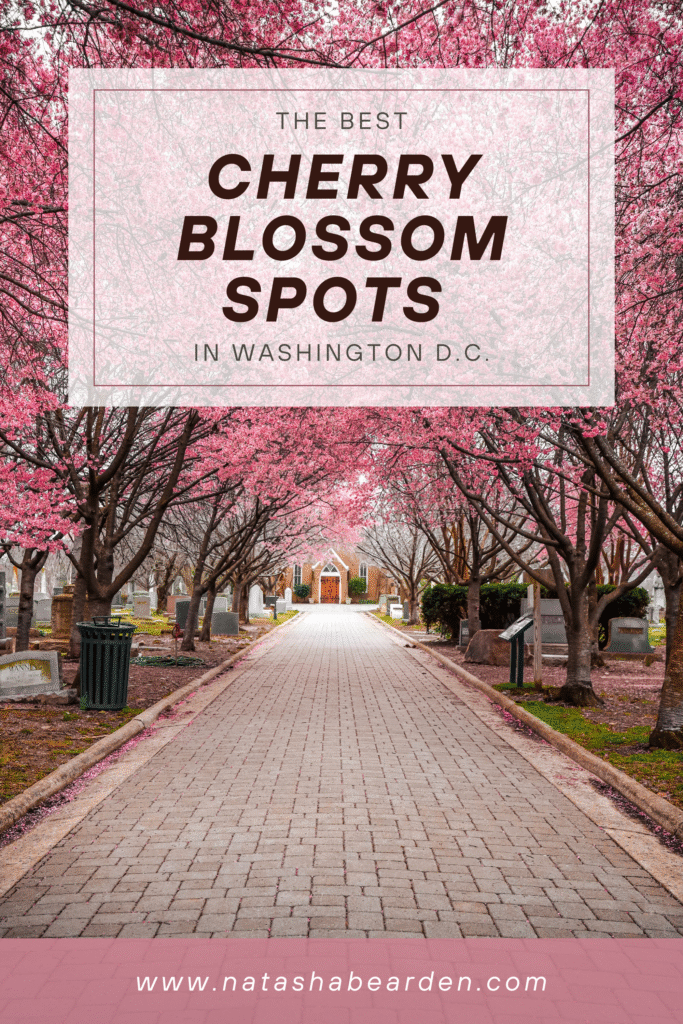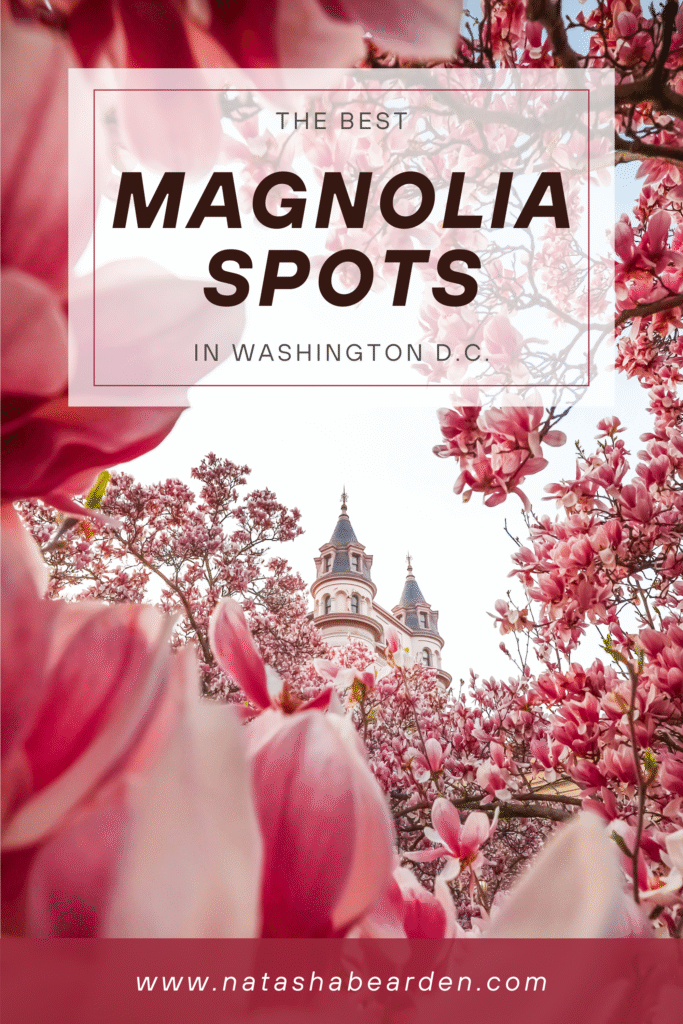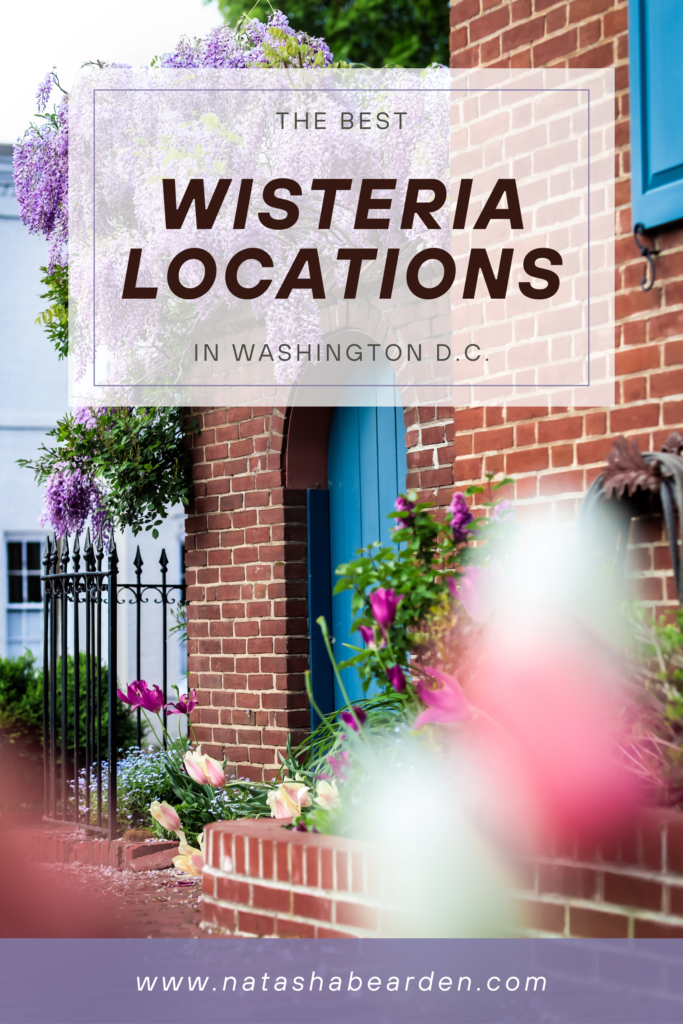


Most people think Christmas is the most magical time of year, but in my opinion, nothing rivals the beauty of cherry blossoms in Washington, D.C. From March to April, shades of pink blanket the nation’s capital, signaling the arrival of spring. In this article, I’ll share some facts about cherry blossoms and places in the DC area where you can see them. I’ll also include magnolia and wisteria locations towards the bottom of this post.
Types of Cherry Blossoms in Washington, D.C.
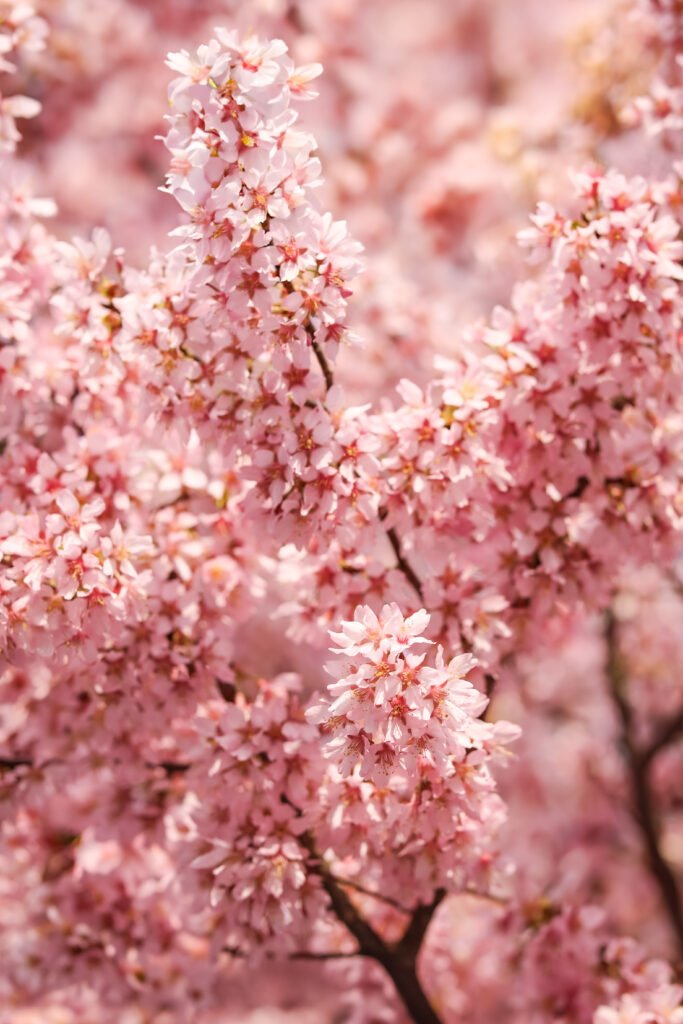
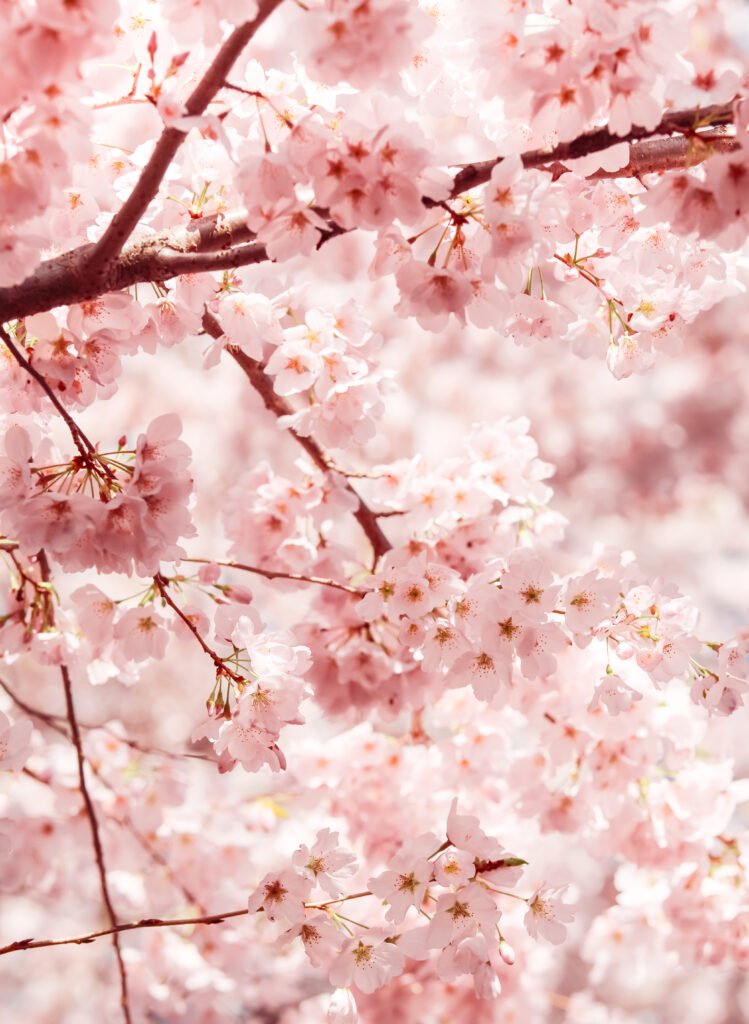
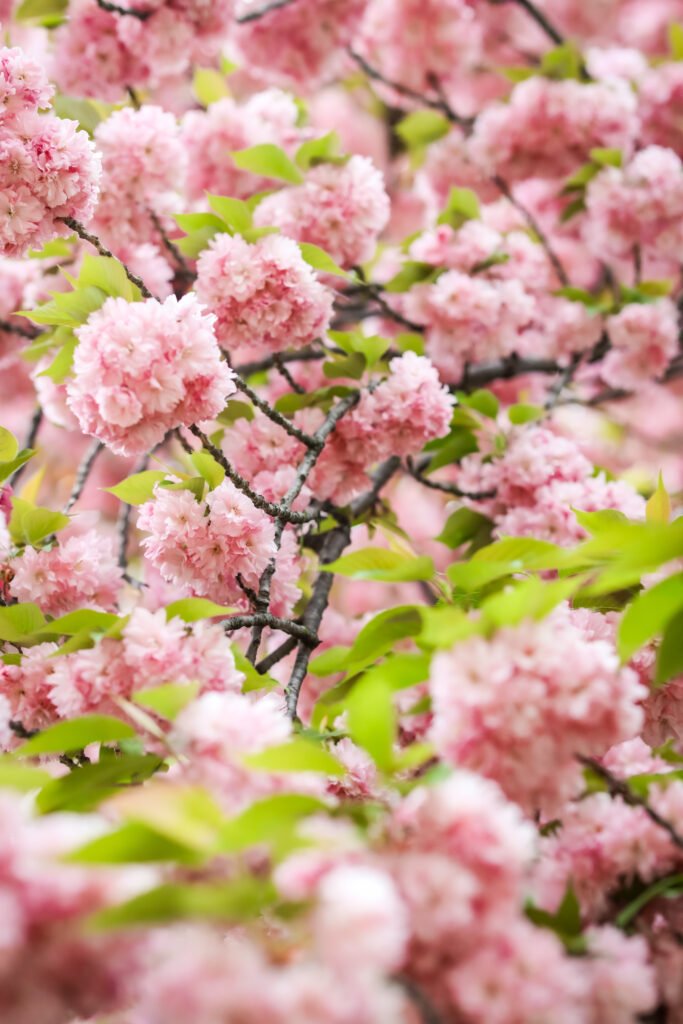
The DC area has three different types of cherry blossoms: Okame, Yoshino, and Kwanzan cherries. Okame cherry trees are the first to bloom in the DC area, with flowers appearing between late February and mid March. These cherries usually bloom for 10 to 14 days and can be spotted at The United States Supreme Court, The Washington National Cathedral, Congressional Cemetery, Moongate Garden, The U.S. National Arboretum, The Gardens at Dumbarton Oaks, and Long Bridge Park.
Next up, we have the Yoshino cherries. These cherry trees are the most iconic in Washington, D.C., originally gifted by Japan to the United States in 1912 as a symbol of friendship. Yoshino cherries are located throughout the DMV but are primarily located at Tidal Basin. They are light pink in color and start blooming from late March to early April. Yoshino cherries are short lived and usually last about 4-7 days depending on temperature and weather. Besides Tidal Basin, you can catch the Yoshino cherry trees at The U.S. National Arboretum, Hains Point, and The Basilica of the National Shrine of the Immaculate Conception.
If you aren’t able to catch the Yoshino cherries, no need to worry. Kwanzan cherries bloom a few weeks after Yoshino, usually in mid to late April. I actually like the Kwanzan cherries better than both the Yoshino and Okame cherries because they’re pinker and fluffier. In addition to that, they often miss peak cherry blossom festival crowds in DC due to their later bloom dates and can offer a more relaxed cherry blossom viewing experience. These cherries typically bloom for up to 2 weeks, which is longer than the bloom periods for Okame and Yoshino. Kwanzan cherries can be spotted at Congressional Cemetery, Hains Point, and in Georgetown.
Peak bloom occurs when approximately 70% of the blossoms have opened, however the timing depends heavily on weather conditions. To see updates on the Yoshino cherry blossoms on Tidal Basin, visit Bloom Watch and Bloom Cam.
Tidal Basin
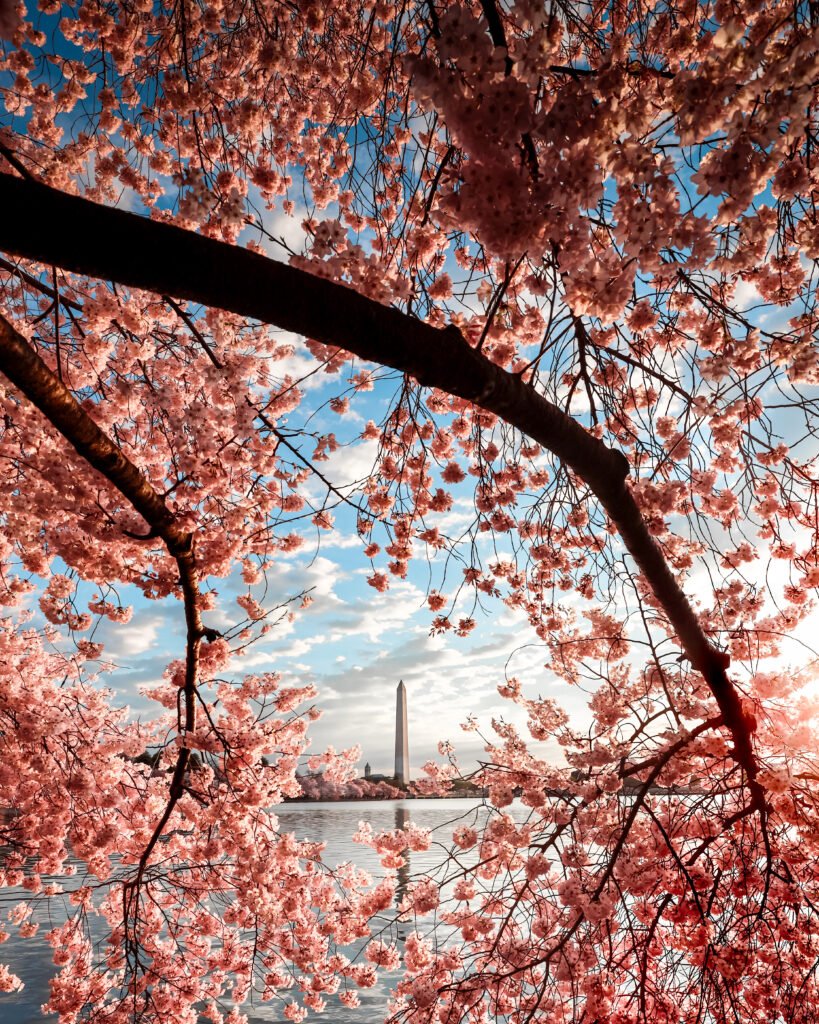
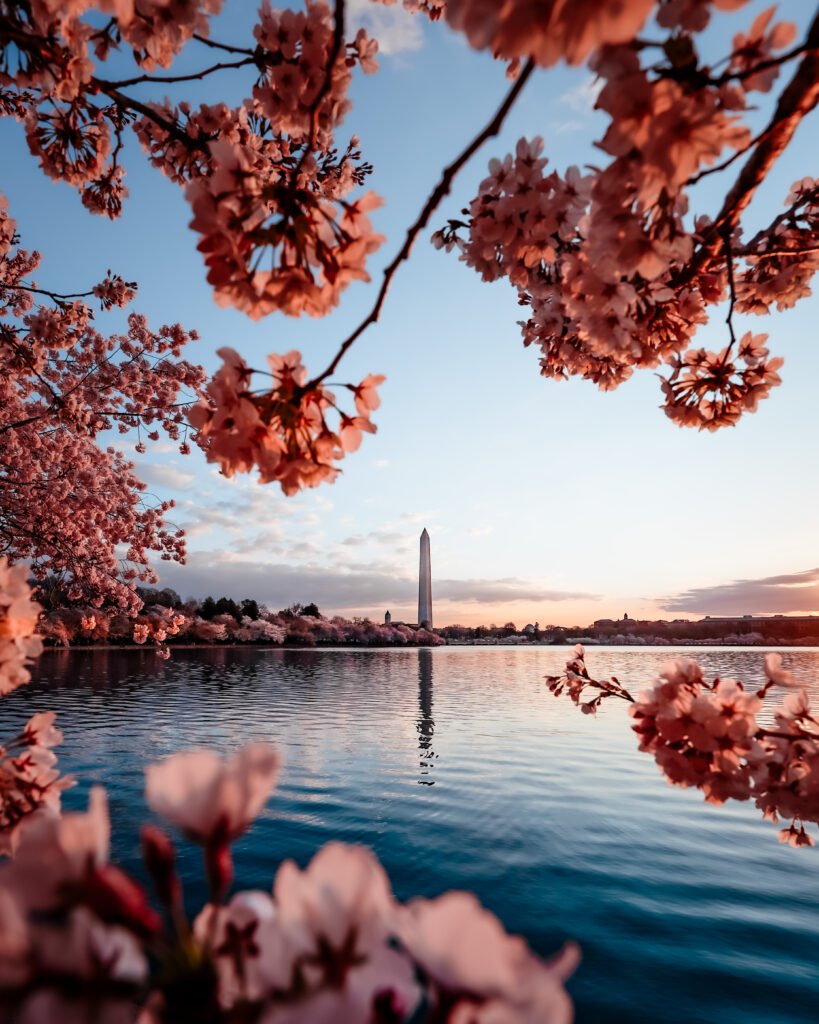
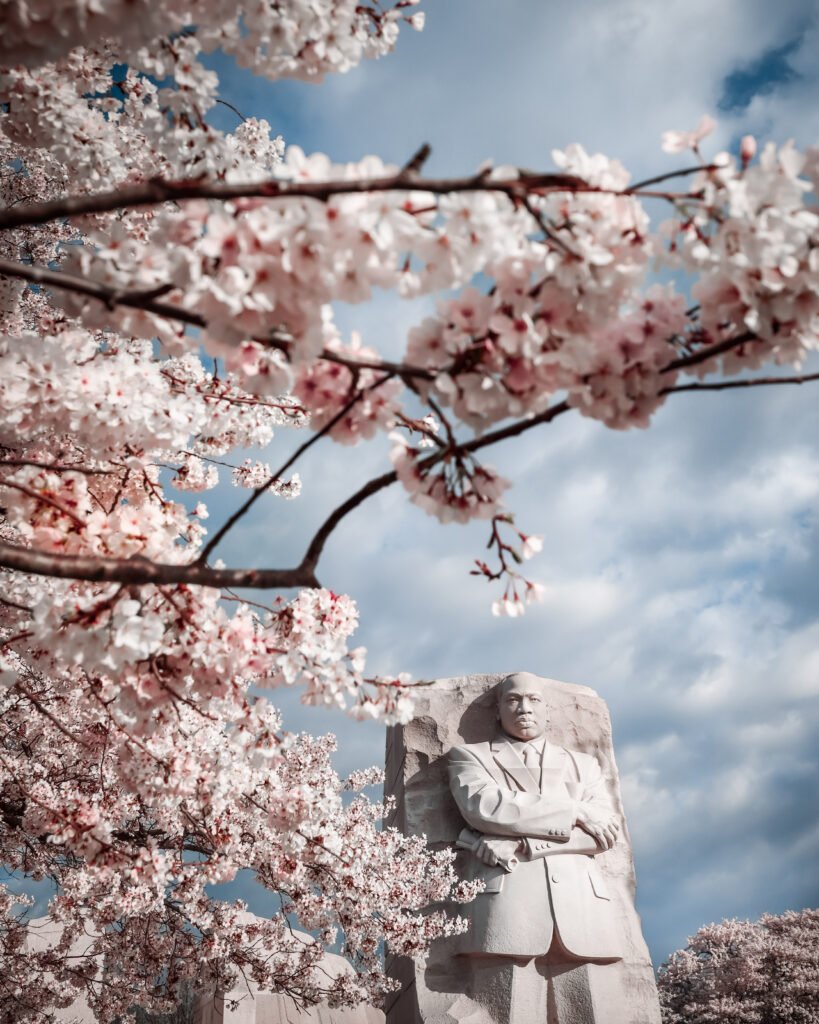
Located in the heart of Washington, D.C., Tidal Basin is a man-made body of water built in the late 19th century. It’s surrounded by some of the most iconic landmarks, including the Jefferson Memorial, Martin Luther King Jr. Memorial, and the Franklin Delano Roosevelt Memorial. The Basin is best known for the cherry blossoms, which was gifted by Japan in 1912 as a symbol of friendship. Despite their brief bloom, they primarily represent new beginnings, hope, and rebirth.
Congressional Cemetery
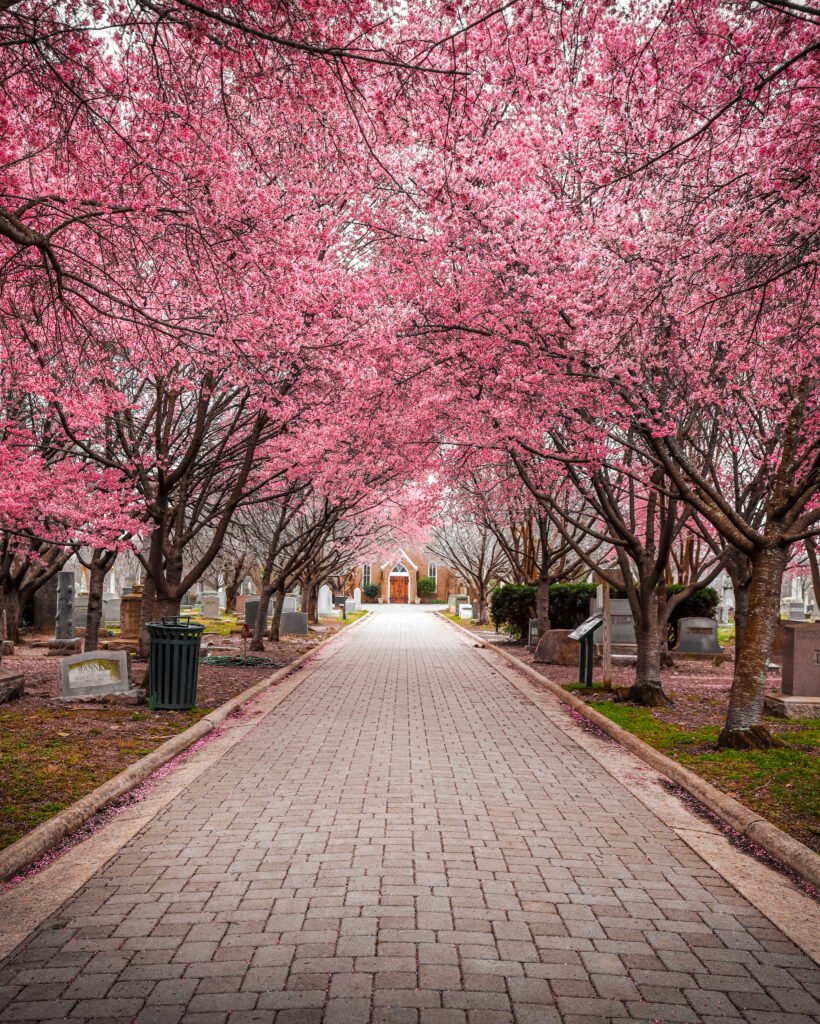
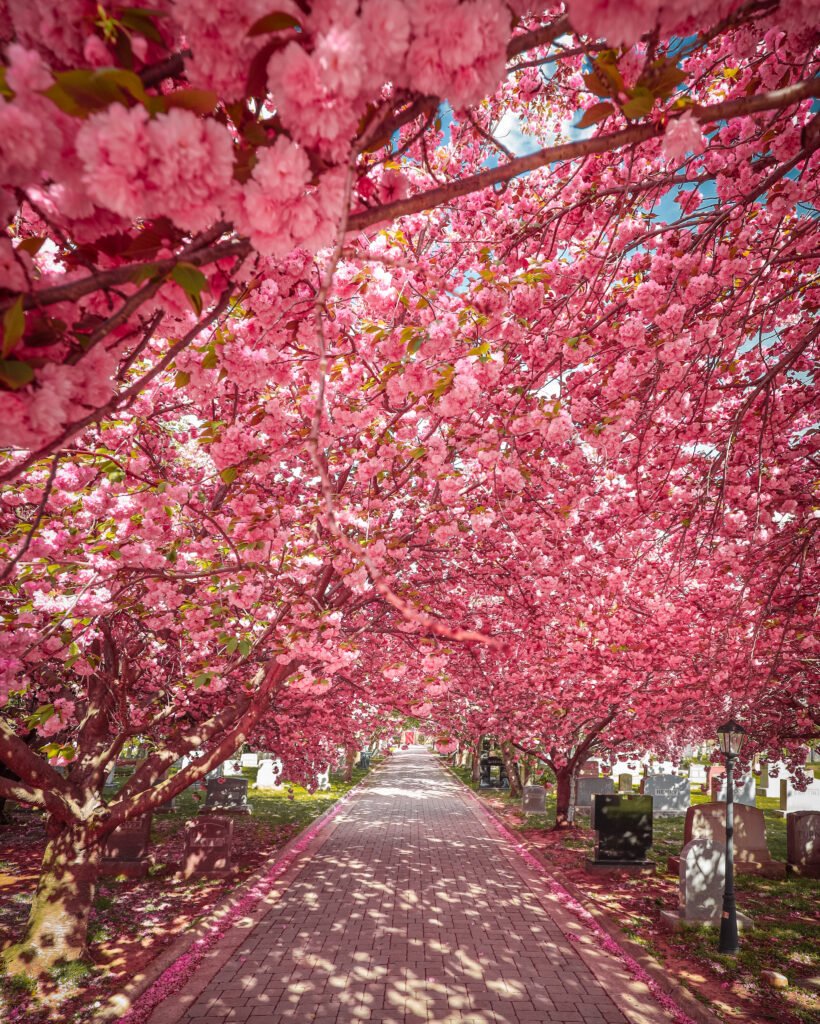
Located in Southeast Washington, D.C, Congressional Cemetery is a historic burial ground dating back to 1807. It was originally created as a final resting place for early members of Congress, however it became a popular burial site for well known Washingtonians such as politicians and military leaders. Over time, this Historical Landmark has evolved into an active community that hosts events such as 5k races, walking tours, and educational events. This cemetery features both Okame cherries and Kwanzan cherries, so if you miss the bloom for one, you can still enjoy the other.
The United States Supreme Court
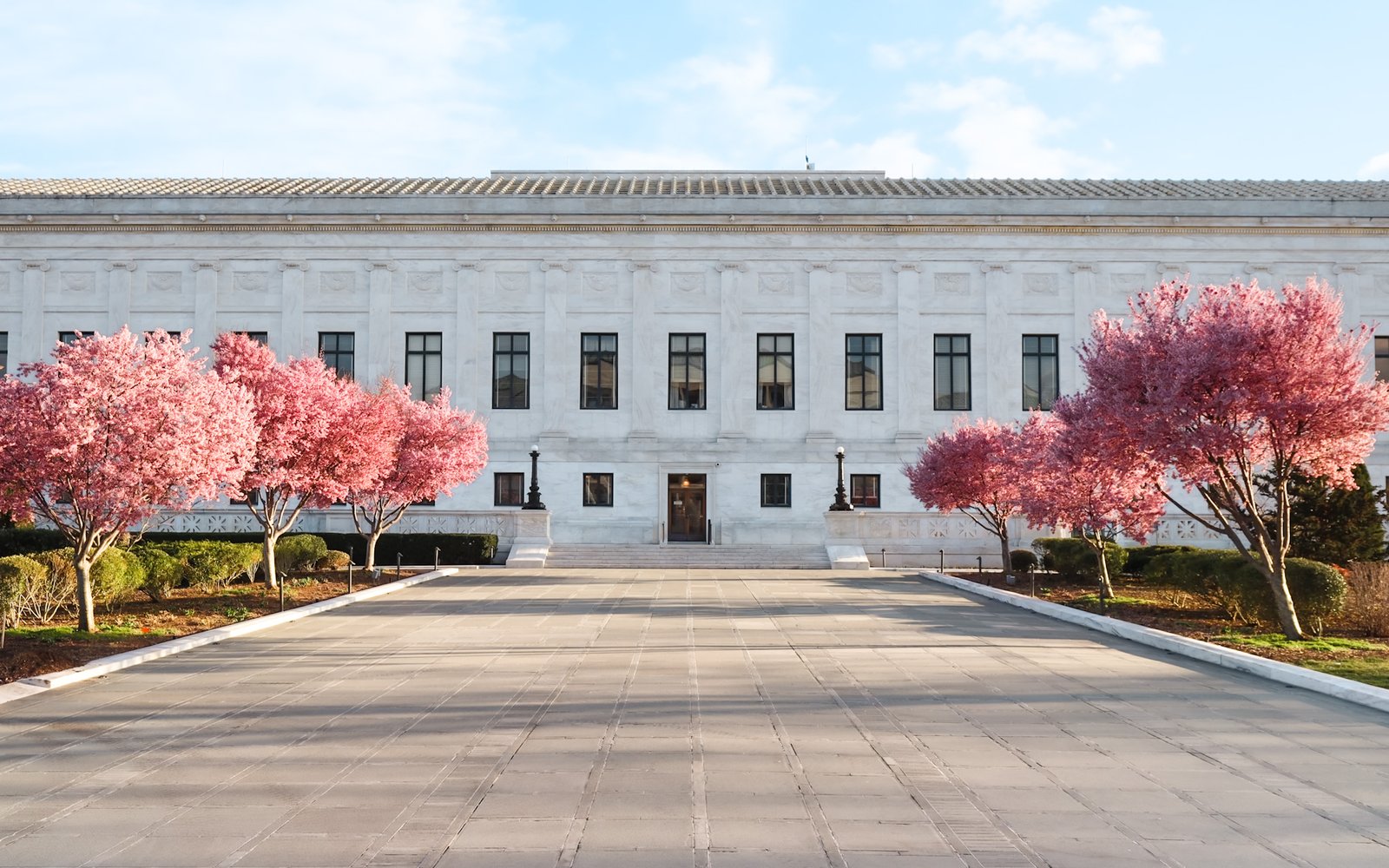
Capitol Hill is a great spot to capture the cherry blossoms. You will see Yoshino and Okame cherries throughout this area. Next to the U.S. Supreme Court are the beautiful dark pink Okame cherries.
The Washington National Cathedral
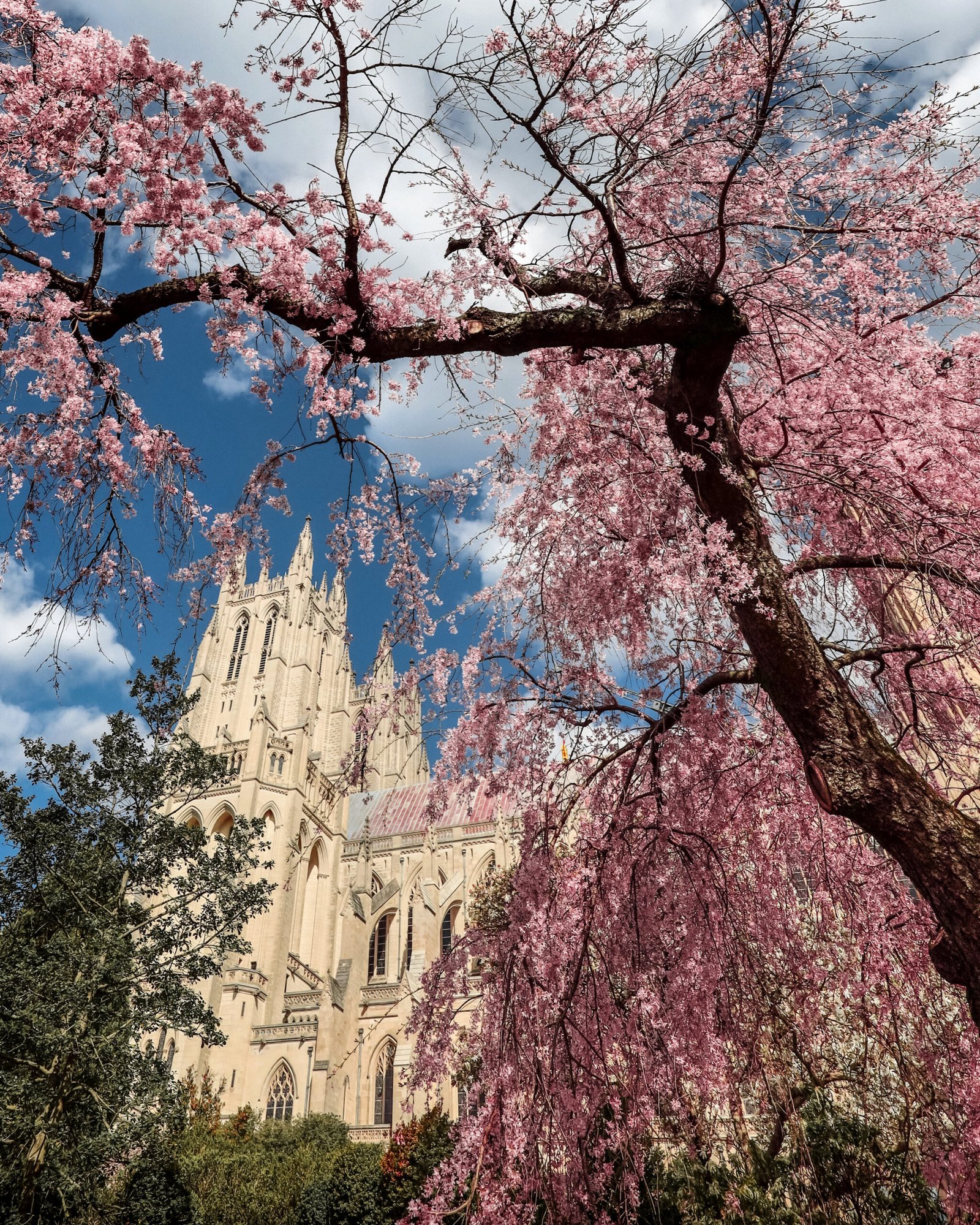
If you’re looking for a beautiful spot to photograph cherry blossoms away from Tidal Basin, the Washington National Cathedral provides a charming setting. Next to the Cathedral, the Bishops’ Garden offers a beautiful setting to photograph the blossoms.
Moongate Garden
This spot often goes unnoticed! Inspired by Beijing’s Temple of Heaven, the Moongate Garden at the Smithsonian symbolizes harmony between earth and sky. The Moongate Garden is located between the Smithsonian Castle and the National Museum of Asian Art and features Okame cherries.
CityCenterDC
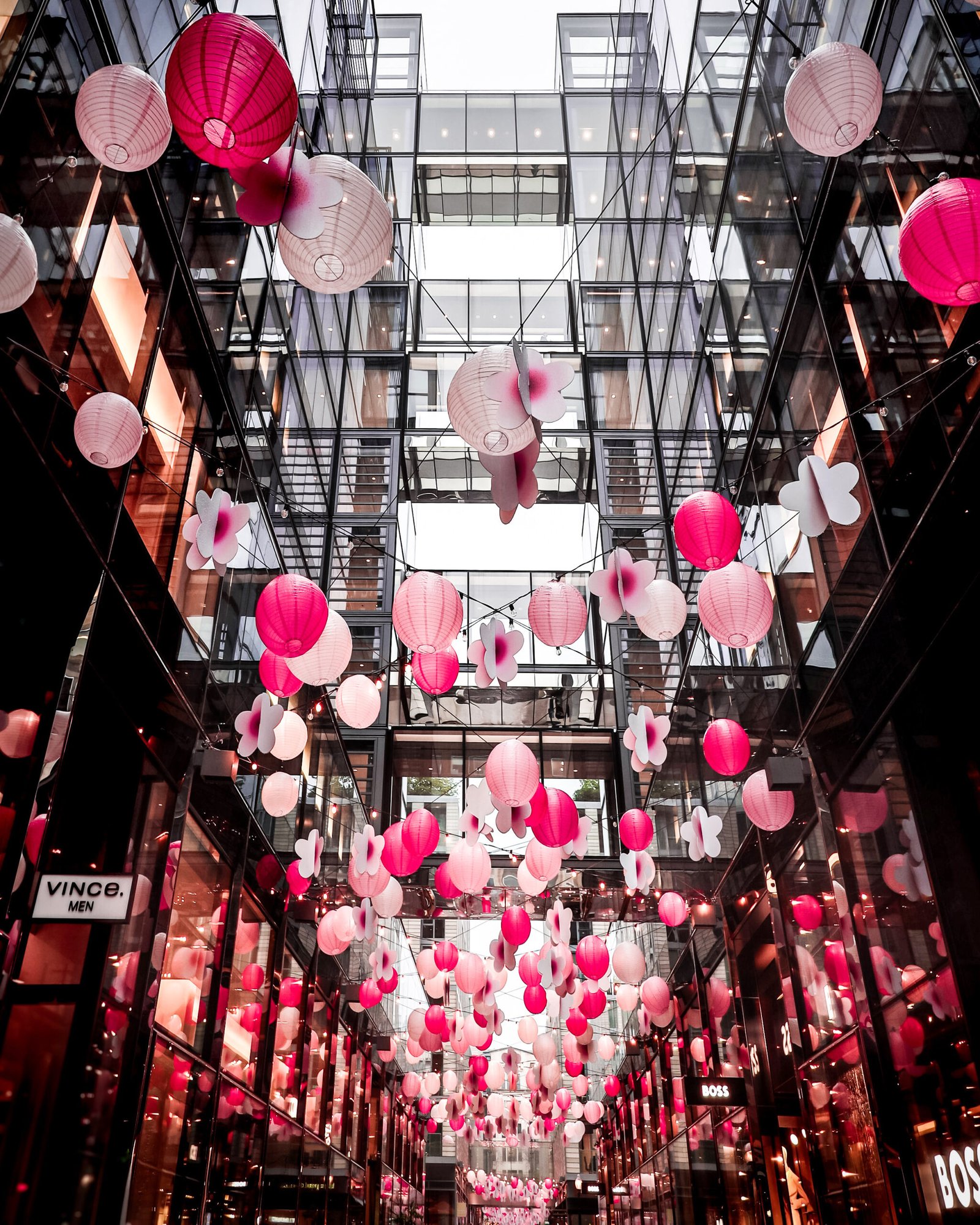
Cherry blossoms don’t always have to be real to appreciate them. Sometimes their essence is captured in art and design as a way to remind us of their fleeting beauty. Every spring, CityCenterDC features pink and white lanterns as a way to celebrate the blossoming of the cherry trees. With nearby parking and plenty to do, this site makes for a perfect photo op without the Tidal Basin crowds.
Long Bridge Park
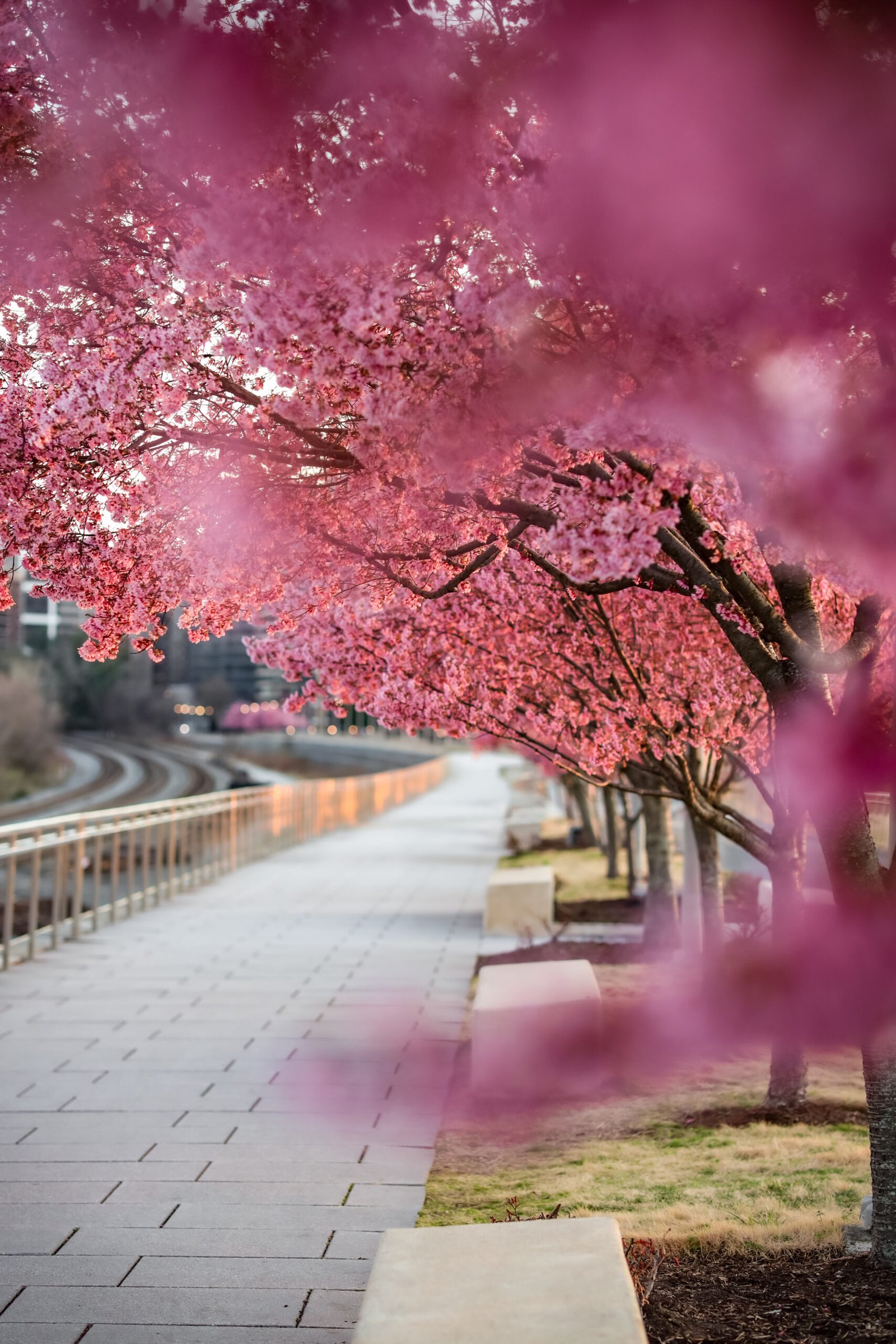
This spot is another hidden gem! Located in across the Potomac River in Arlington is Long Bridge Park. Here, you’ll see Okame cherries and a long trail perfect for photos and a nice walk.
ARTECHOUSE
ARTECHOUSE is an interactive digital art space combining creativity with technology. Every year, a new digital art installation is featured, celebrating DC’s cherry blossom season. The immersion gallery features a 270 degree floor to ceiling projection with a surround sound and state of the art technology, allowing people to celebrate the cultural significance of the cherry blossoms in a fun and unique way. The cherry blossom exhibit lasts from March to May (dates vary each year) and is located Southwest Washington, D.C.
The National Council of Negro Women
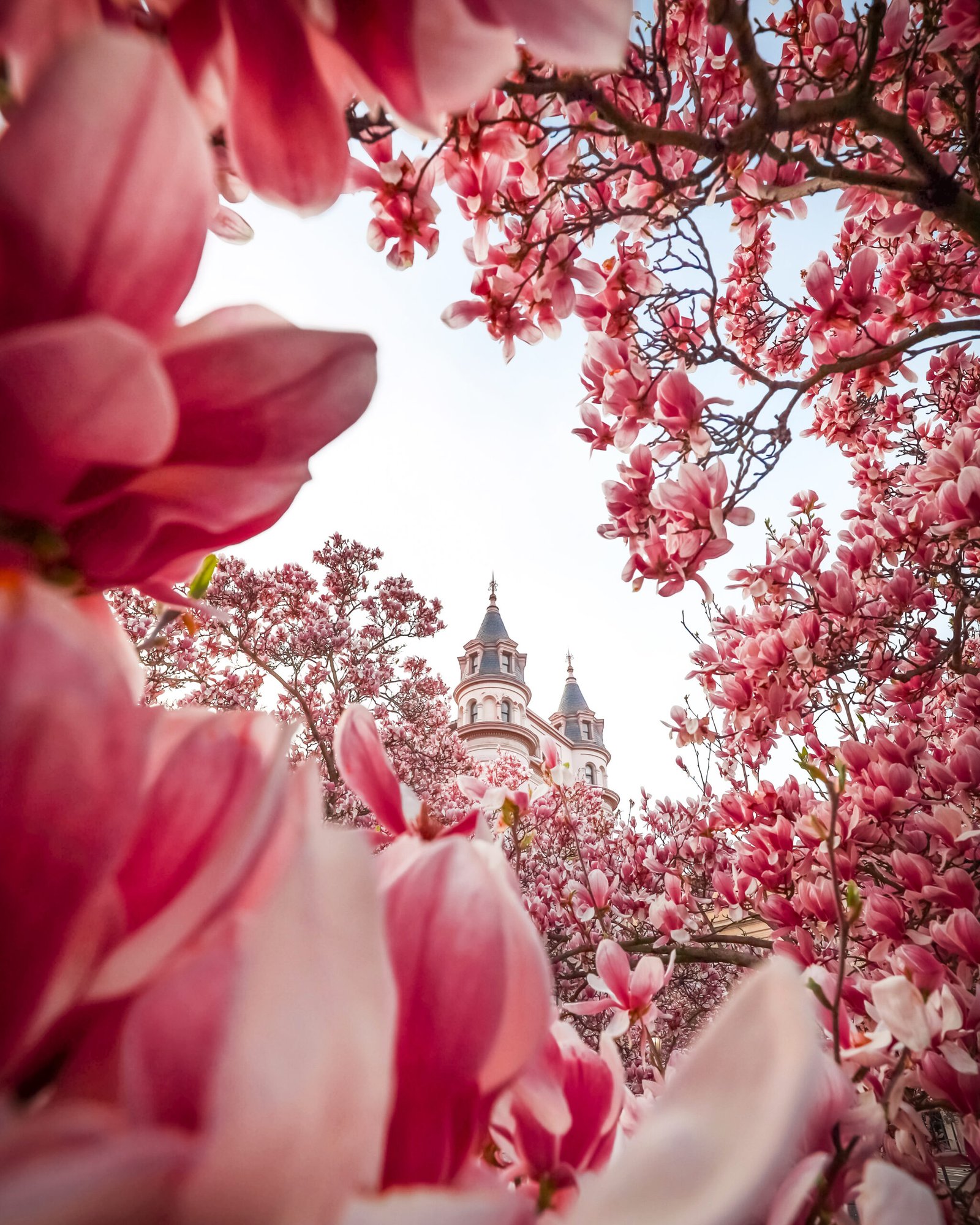
On Pennsylvania Avenue, the NCNW is the ideal spot to photograph the magnolias in bloom. The magnolias pair beautifully with the building’s pink exterior. You’ll also find pink swings here where you can sit back admire the views.
Enid A. Haupt Garden
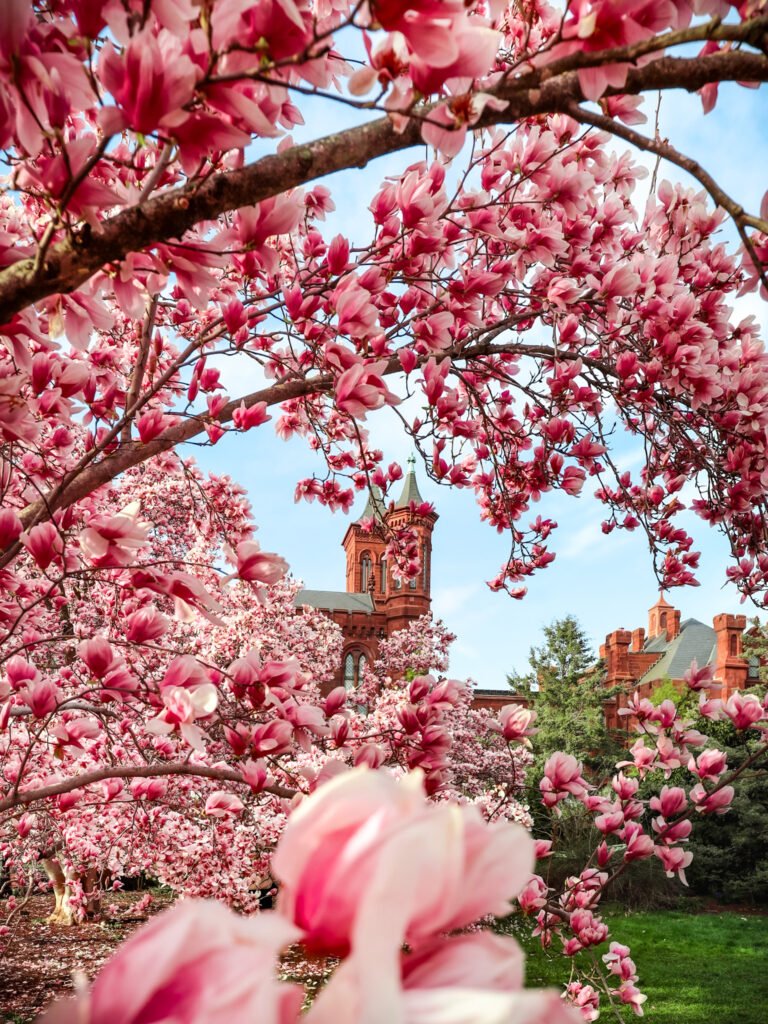
Smithsonian Castle’s Enid A. Haupt Garden is probably the best place in DC to capture the magnolias. It does get rather crowded here during the day, so I recommend stopping by at sunrise or in the evening. Try incorporating frame in your shots to keep unwanted people out of your shots.
Dumbarton Fellows Building
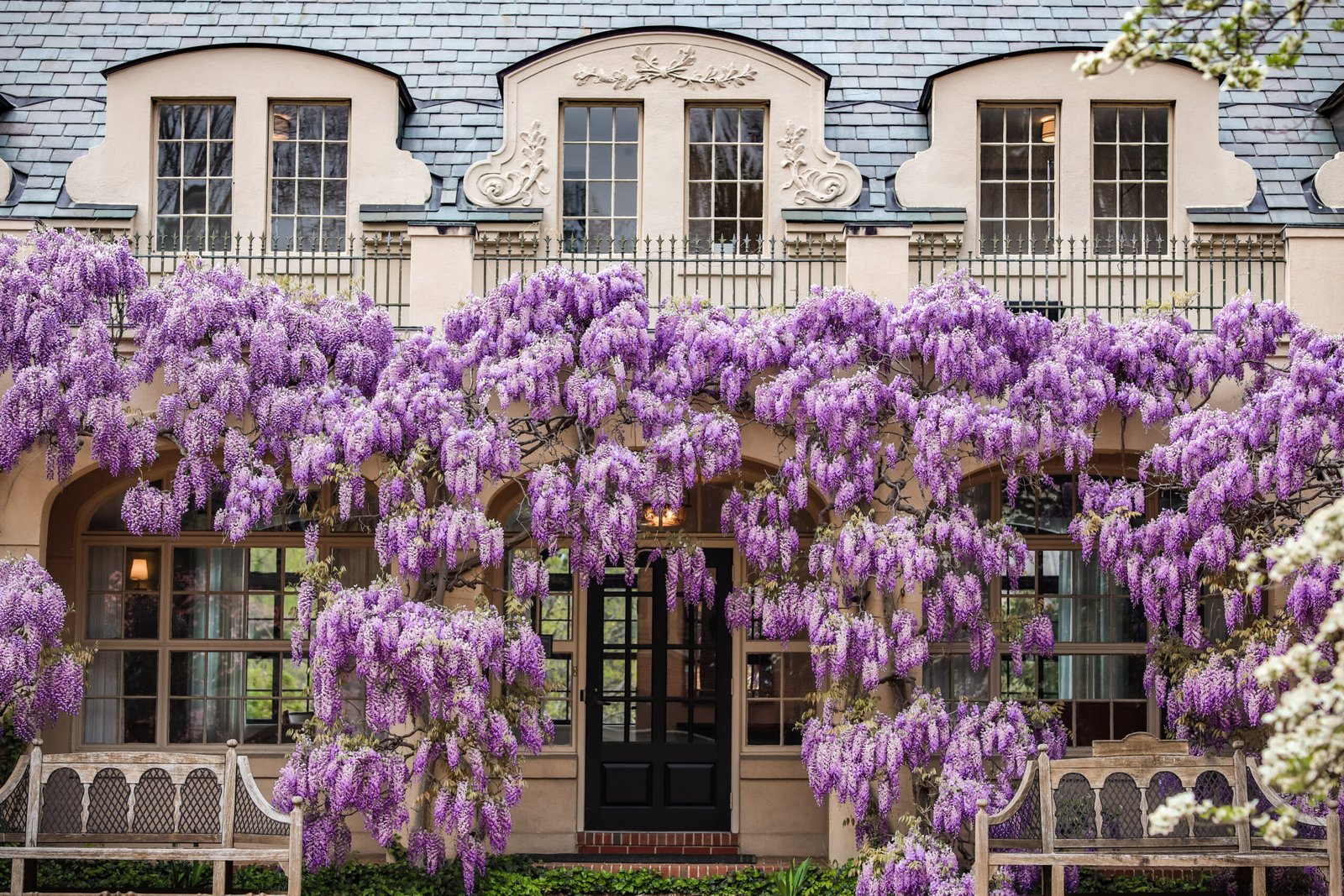
DC isn’t only limited to cherry blossoms and magnolias. Thankfully, we also have wisteria in the area. Dumbarton Oaks Fellows Building isn’t inside the Dumbarton Oaks Garden/Museum, but it is located nearby. This spot features Chateaux-style architecture with wisteria draped over the front facade.
National Gallery of Art – West Building
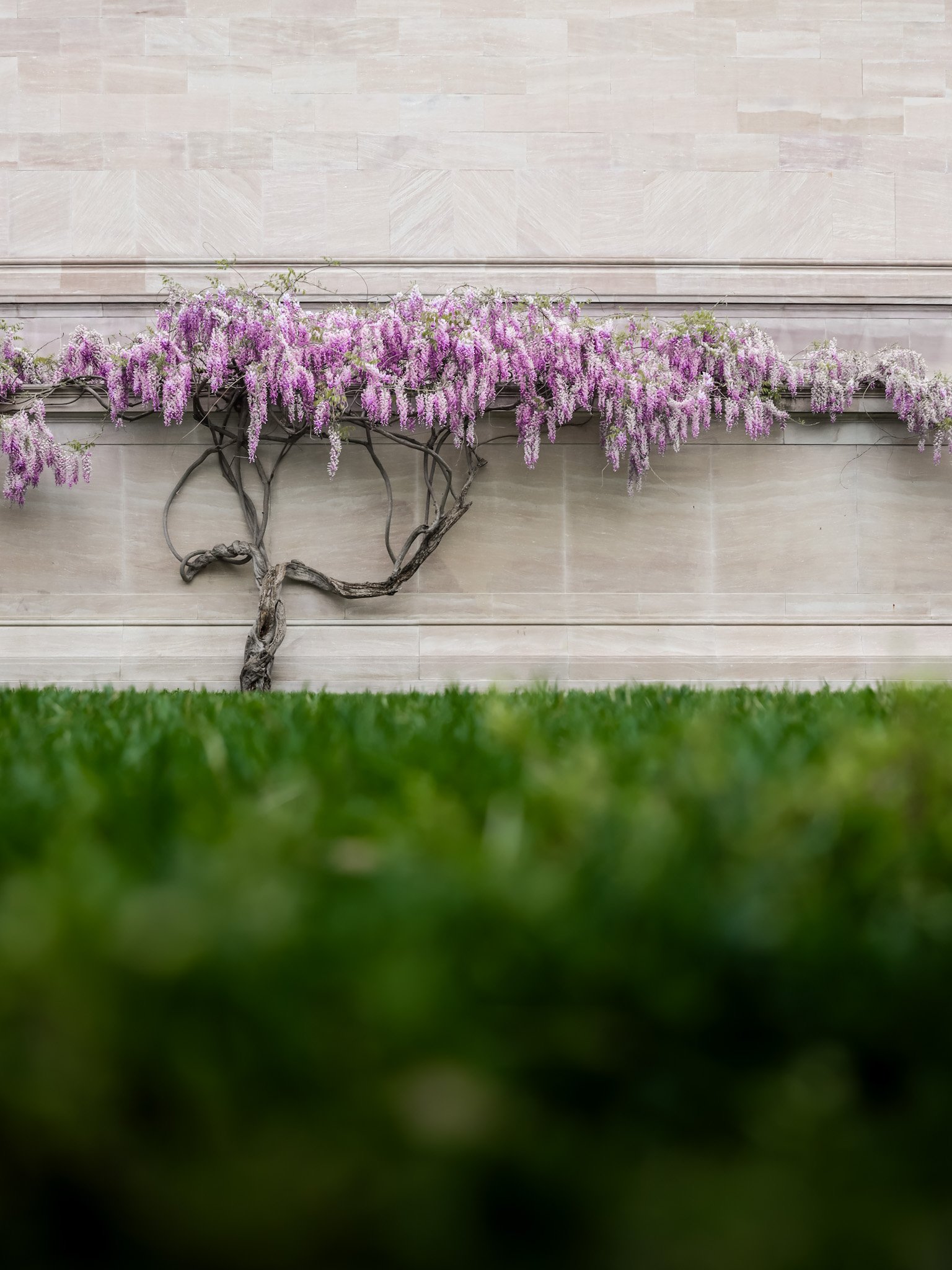
Dangling wisteria might be the last thing you expect to see near the entrance of a museum. Located along the National Mall is the National Gallery of Art that features these beautiful vines that form the shape of a P. There are also a few other museums next to the National Gallery of Art that you can check out to see more wisteria.
The Gardens at Dumbarton Oaks
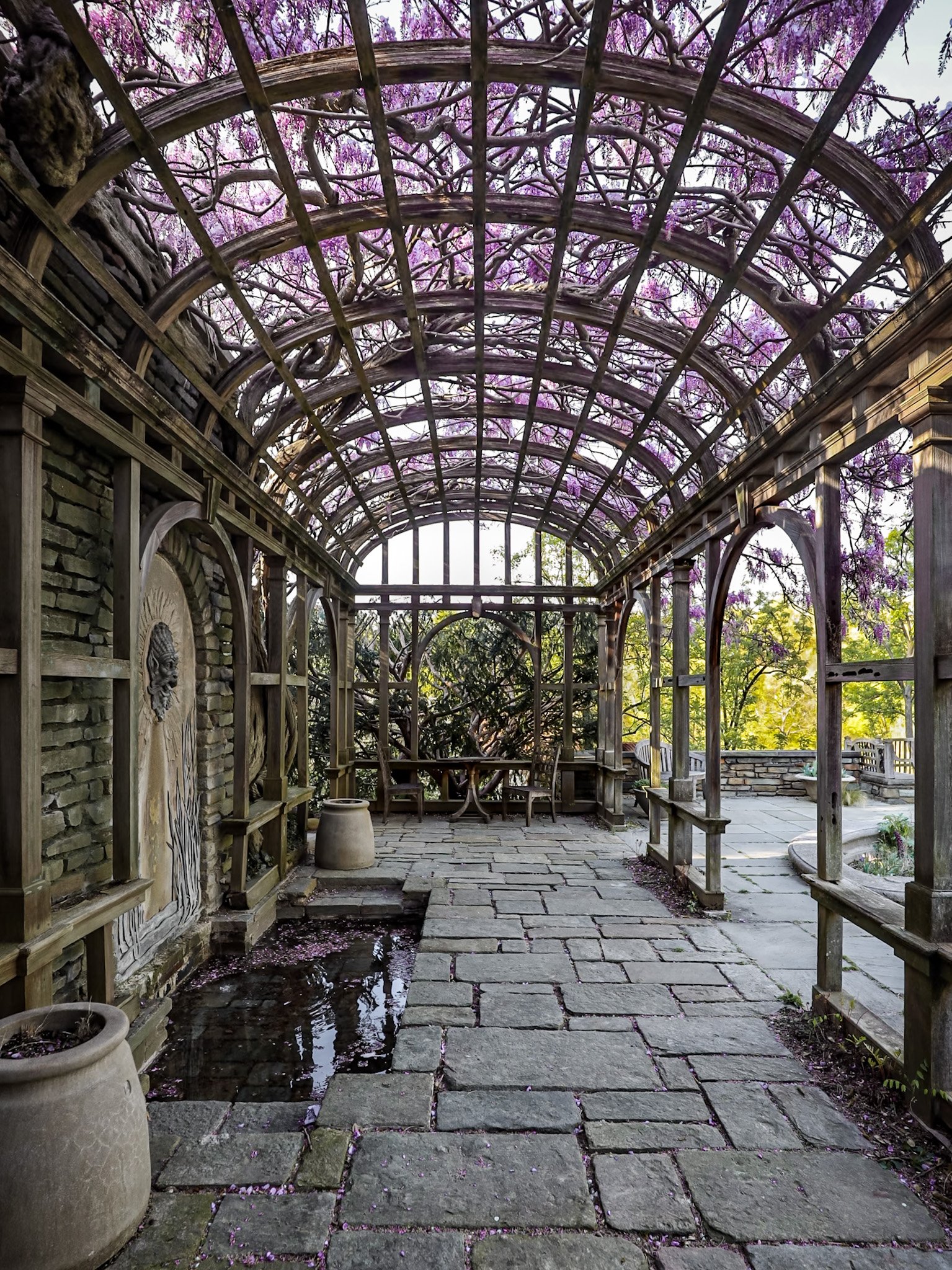
Dearest gentle reader, if you really want to experience Bridgerton-style elegance, visit Dumbarton Oaks. It’s no surprise that these purple vines became popular after the show came out on Netflix. Not only does this garden have purple wisteria, but it also has white wisteria. Kudos to one of the security guards for telling me that because I didn’t know wisteria also came in white. Not only is this a garden where you can admire the wisteria, but you can also appreciate the French and Italian influence in the overall design.
Georgetown
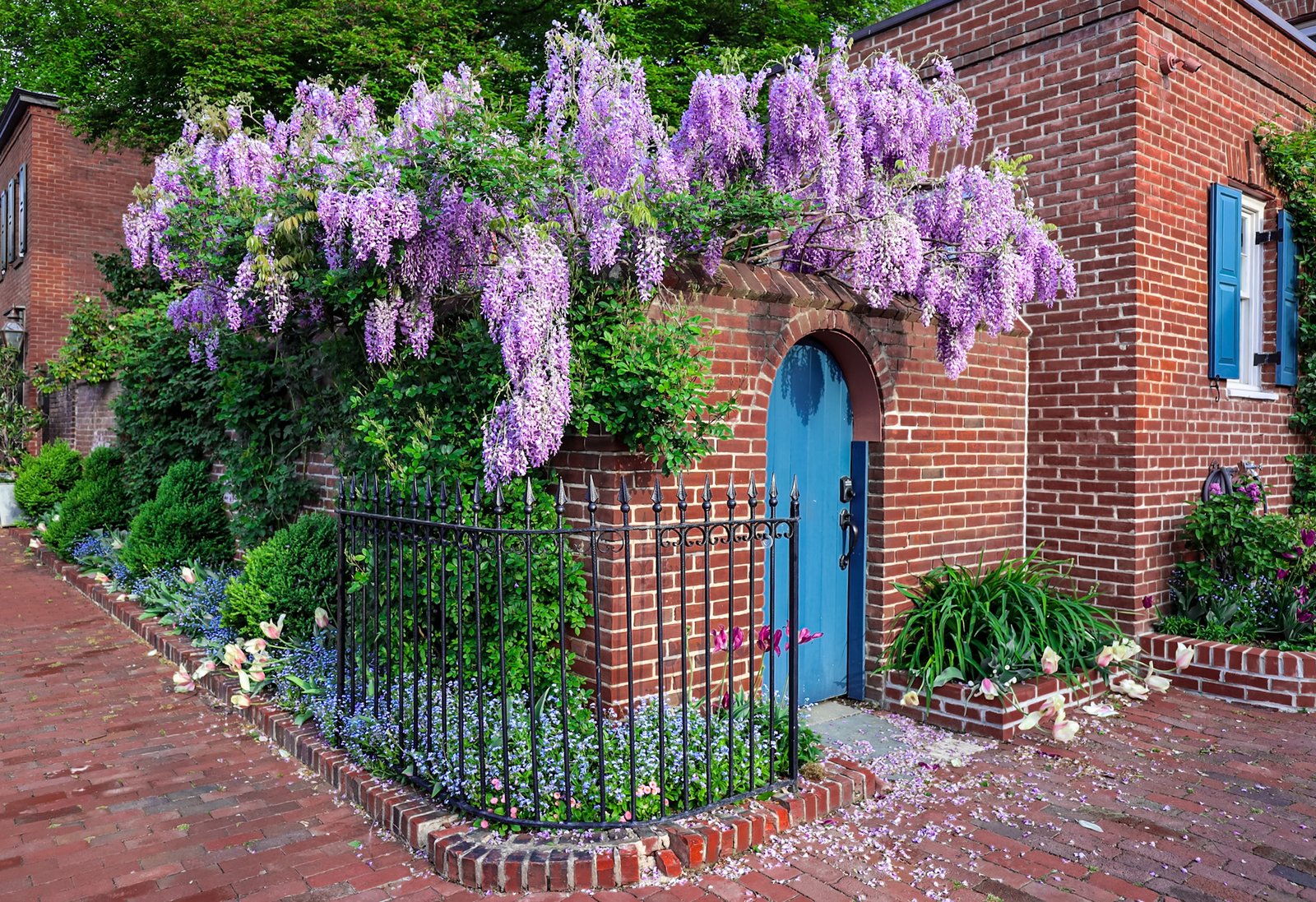
Dumbarton Oaks isn’t the only place in Georgetown where you can see wisteria. You can also find them in front of many homes and townhomes in this charming neighborhood.
Thanks for Reading!