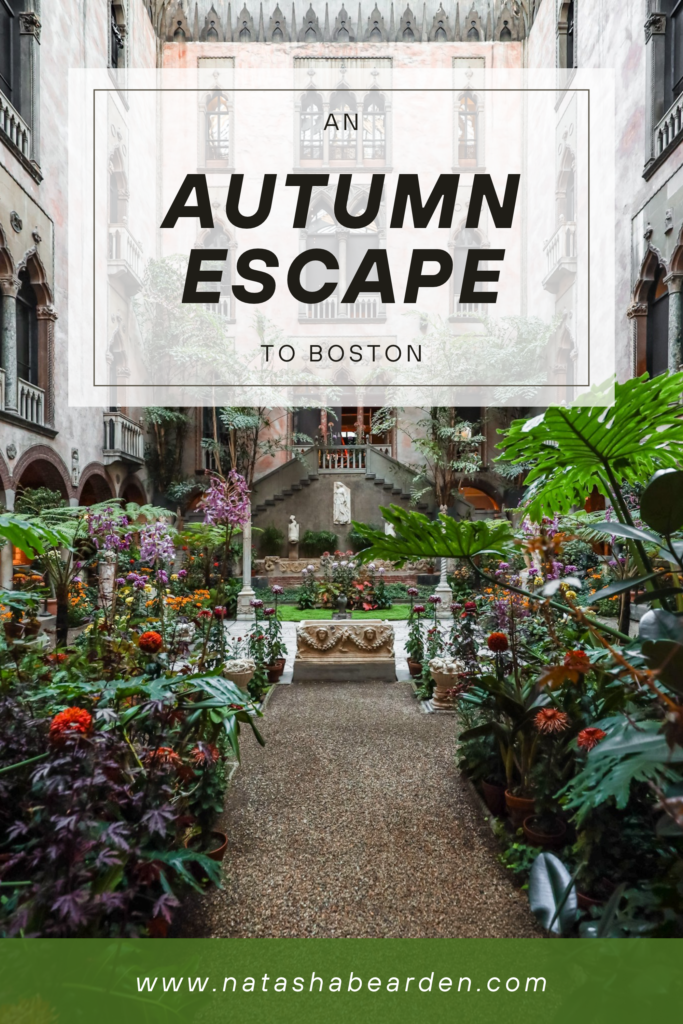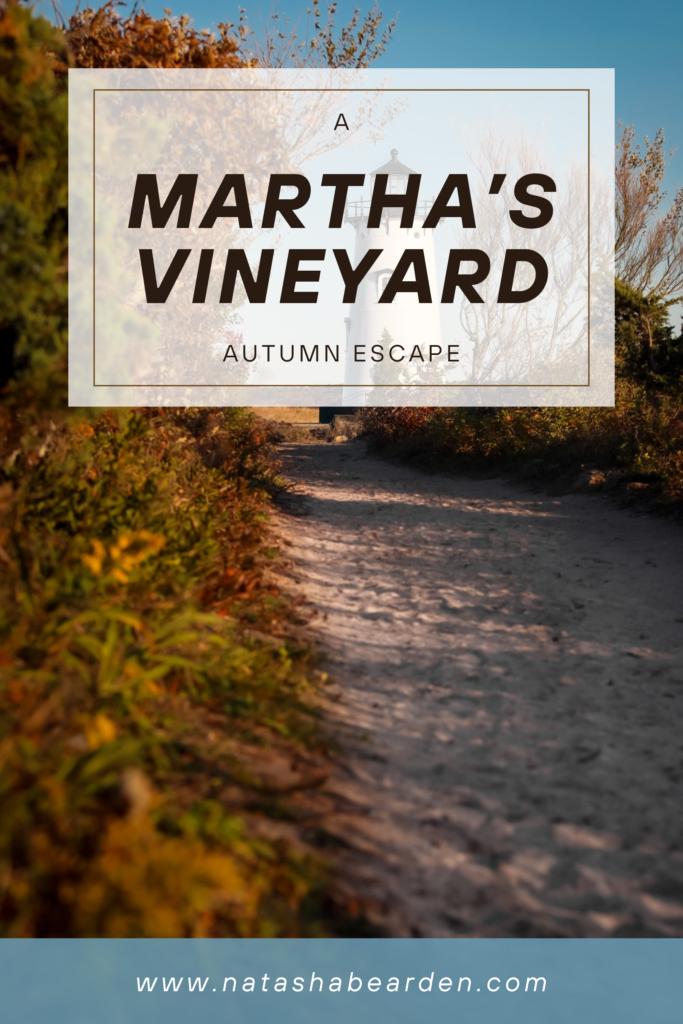

Boston has been a city I’ve been wanting explore for while and I’m glad I was able to visit, especially during the fall. I originally planned on visiting in late September, but the nor’easter storm hit Boston and I had to reschedule for the late October. I’m glad that the trip was rescheduled because I would’ve missed the fall foliage. Like any other city, Boston has its own unique charm and much of its infrastructure and urban design reminded me of Paris, especially the bridges that cross the Charles River. It turns out that the bridges were made to resemble Pont Neuf. In this post, I’ll share some of the sites I discovered in Boston and a brief introduction of my time in Martha’s Vineyard.
Boston
Boston Public Library
The Boston Public Library, established by an act of the General Court of Massachusetts in 1848, was the first large free municipal library (a public library that is owned, operated, and funded by a local city or town that provides access to free books, educational resources, etc.) in the United States. The library holds over 23 million items, some of which includes first edition folios by William Shakespeare and original music scores by Mozart.
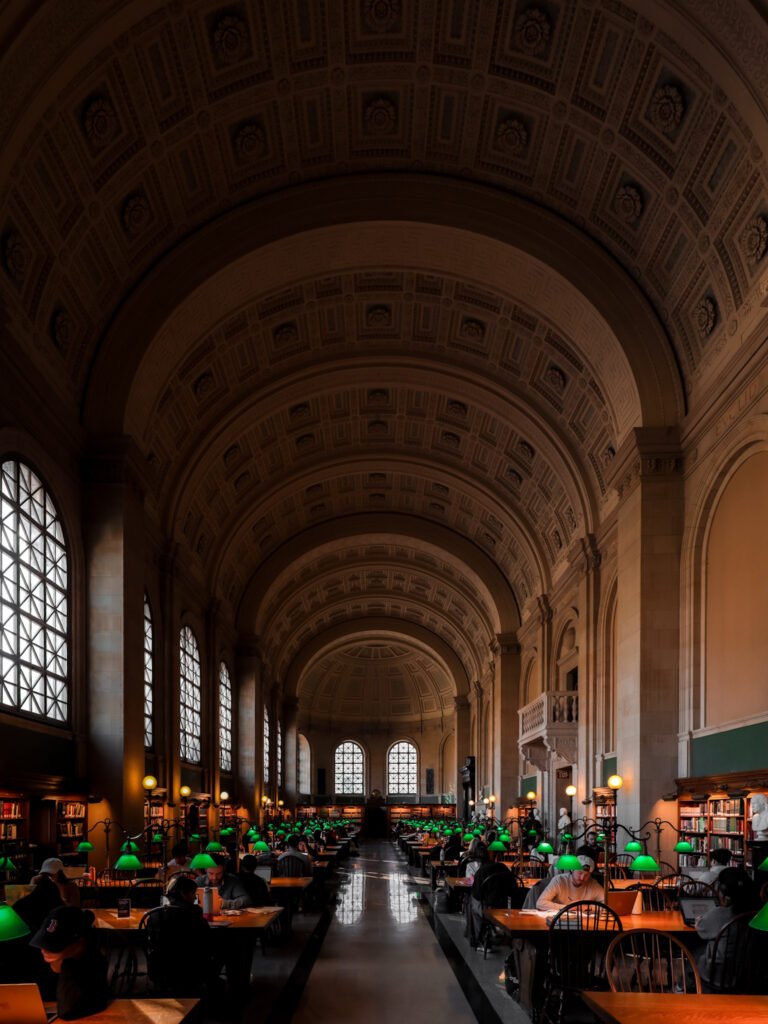
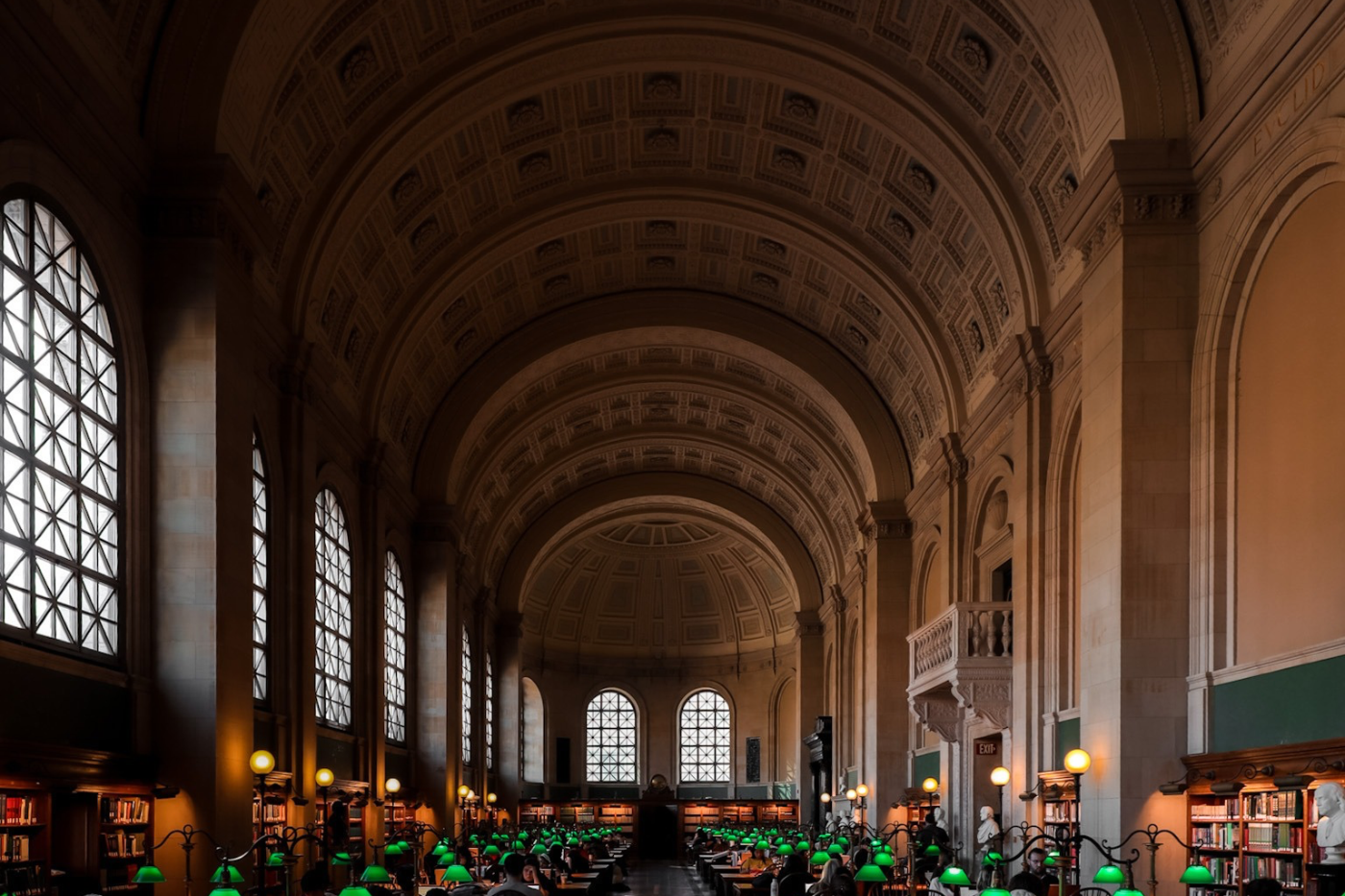
BPL consists of two buildings: The McKim Building and the Johnson Building. The McKim Building was designed in Renaissance Revival and Beaux Arts styles and the Johnson Building was designed in Brutalist style. The McKim Building features the iconic Bates Hall, which serves as the original main reading room on the second floor. Most of the room has original furniture, with the exception of the green lamps which were restored to match its original design. The McKim Building also has an open-air courtyard which was modeled after the Palazzo della Cancelleria in Rome, Italy.
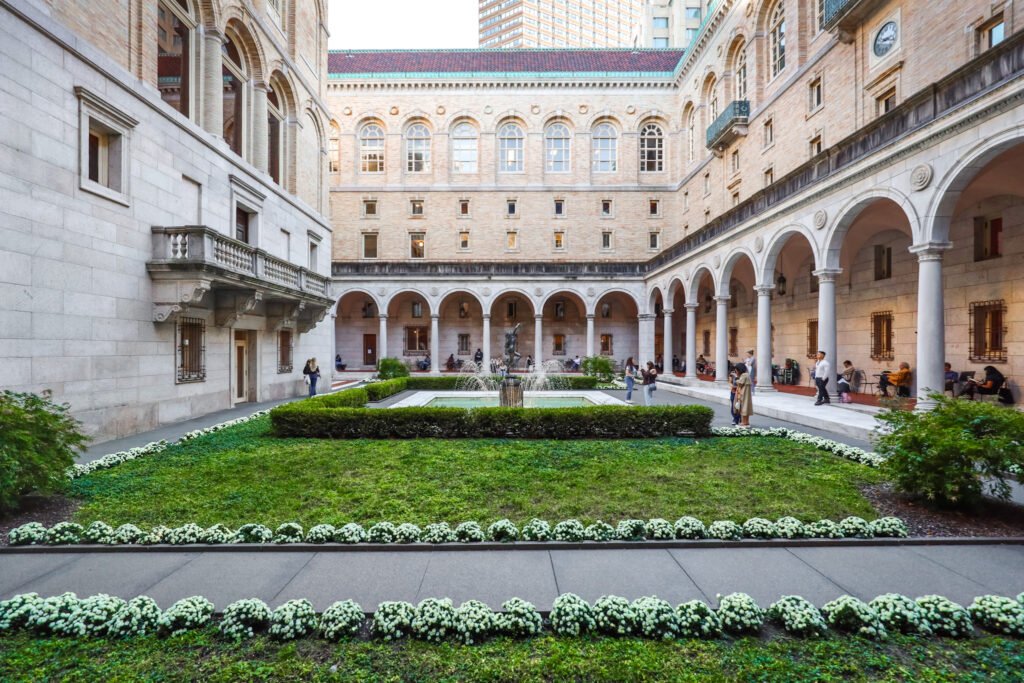
Library Hours: 9am to 8pm Mondays through Thursday; 9am to 5pm Fridays through Saturdays; 11am to 5pm on Sundays
Isabella Stewart Gardner Museum
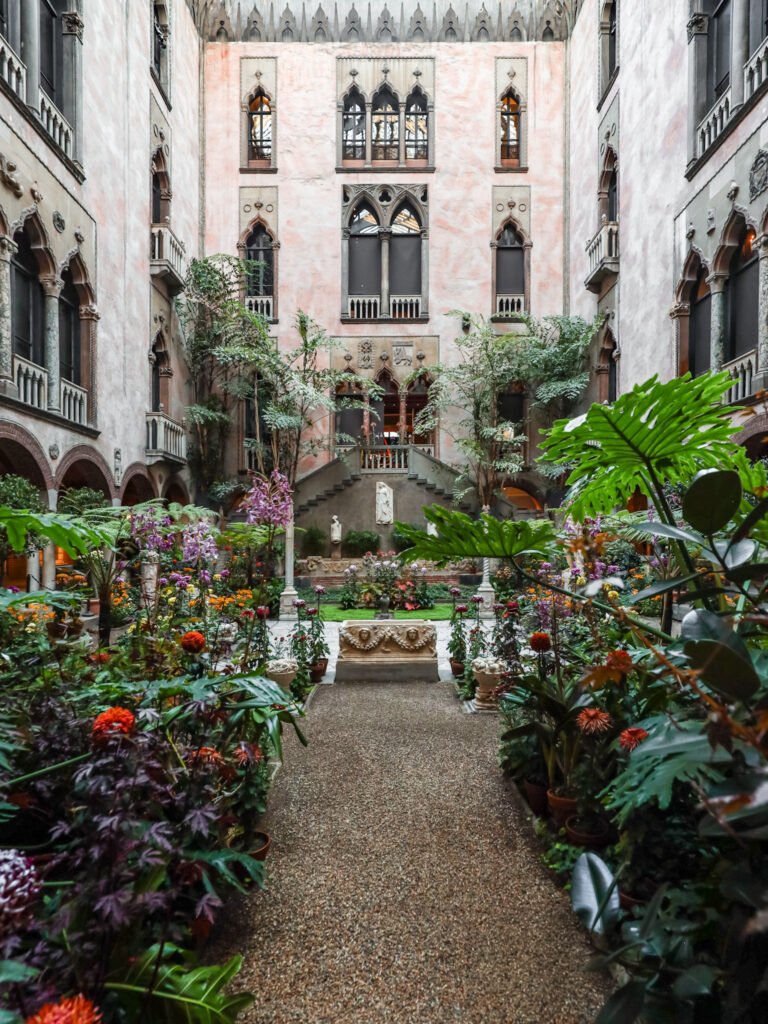
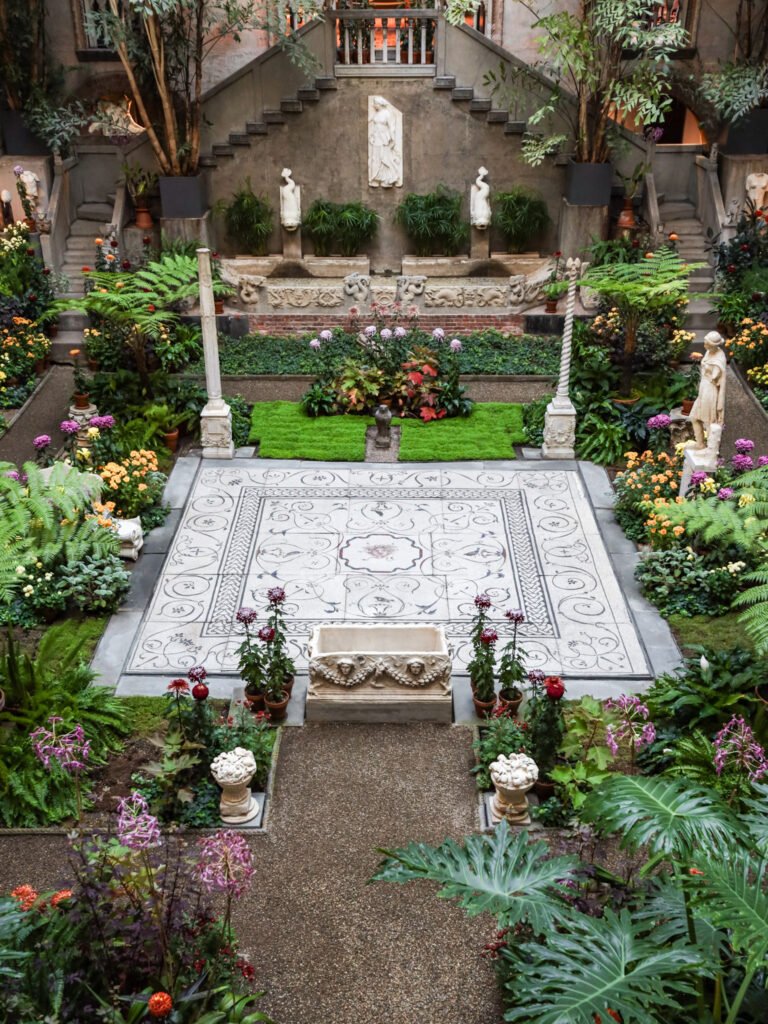
Founded by American art collector, art patron, and philanthropist Isabella Stewart Gardner (1820-1924) is the Isabella Stewart Gardner Museum. It opened in 1901 and is one of the most famous art museums in America.
Isabella was born into a wealthy family in New York City and married a man named Jack Gardener. Together, they traveled the world which ignited Isabella’s interest in art and culture. The couple resided in Boston and Isabella began studying art history and Italian literature at Harvard University. Isabella and Jack had always dreamed of having their own museum but Jack unfortunately passed in 1898. Isabella continued working on her and her husband’s dream and the museum was eventually completed in 1901.
The museum was designed in 15th-century Venetian-style Palazzo, reflecting Isabella’s interest in Italian literature. It houses artwork, sculptures, drawings, ceramics, books, manuscripts, and furniture from America, Asia, the Middle-East and Europe, however most of her pieces are from Europe.
Isabella passed in 1924 and her will stated to make no permanent changes to the museum display and that the museum is for the “education and enjoyment of the public forever.”
Museum Hours: 10am to 5pm on Mondays, Wednesdays, and Fridays; Closed on Tuesdays; 11am to 9pm on Thursdays; 10am to 5pm on the weekends
Tickets: $25 per adult, $22 seniors (ages 65+), $15 students with ID, free (17 and under), and free for museum members
Martha’s Vineyard
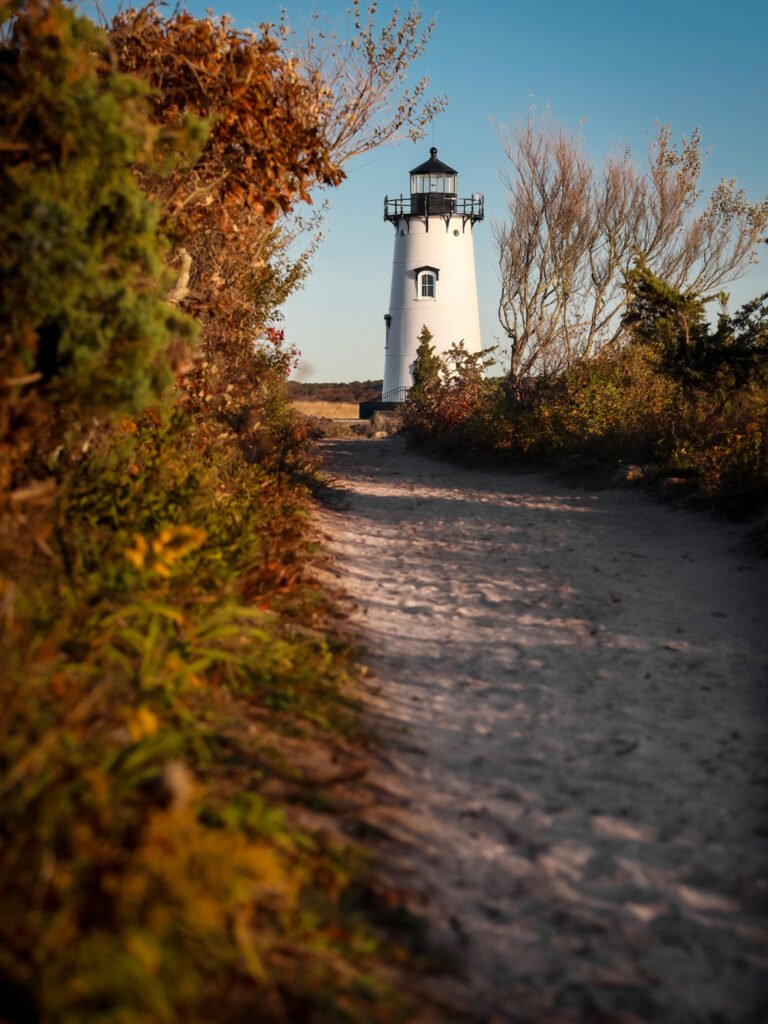
Martha’s Vineyard is an island located off the southeastern coast of Massachusetts and south of Cape Cod. The island was formed during the last Ice Age around 20,000 years ago and during that time, it was connected to the mainland. As the ice started to melt, sea levels rose and the piece of ice that connected Martha’s Vineyard to the mainland disappeared. This resulted in the island being separated from the mainland.
Before the European colonizers came, the island was home to the indigenous people called the Wampanoag and they’ve lived on the island for thousands of years. This tribe named the island Noepe, which means “Land Amid the Waters.” Due to the brutal acts caused by the colonizers, many people of the Wampanoag tribe were wiped out and their population plummeted. As of today, only 1,364 people are enrolled as members of the tribe and within that number, a little over 300 reside on the island.
British colonizer, Bartholomew Gosnold, renamed the island after his daughter Martha and the vineyard undergrowth prevalent on the coast.
Martha’s Vineyard has six towns:
- Aquinnah
- Chilmark
- Edgartown
- Oak Bluffs
- Tisbury
- West Tisbury
In a separate post, I will write about my visit to Edgartown and Oak Bluffs.
I’ll be back for more. But for now, here’s a glimpse!
Thanks for reading!